What the Machame route is
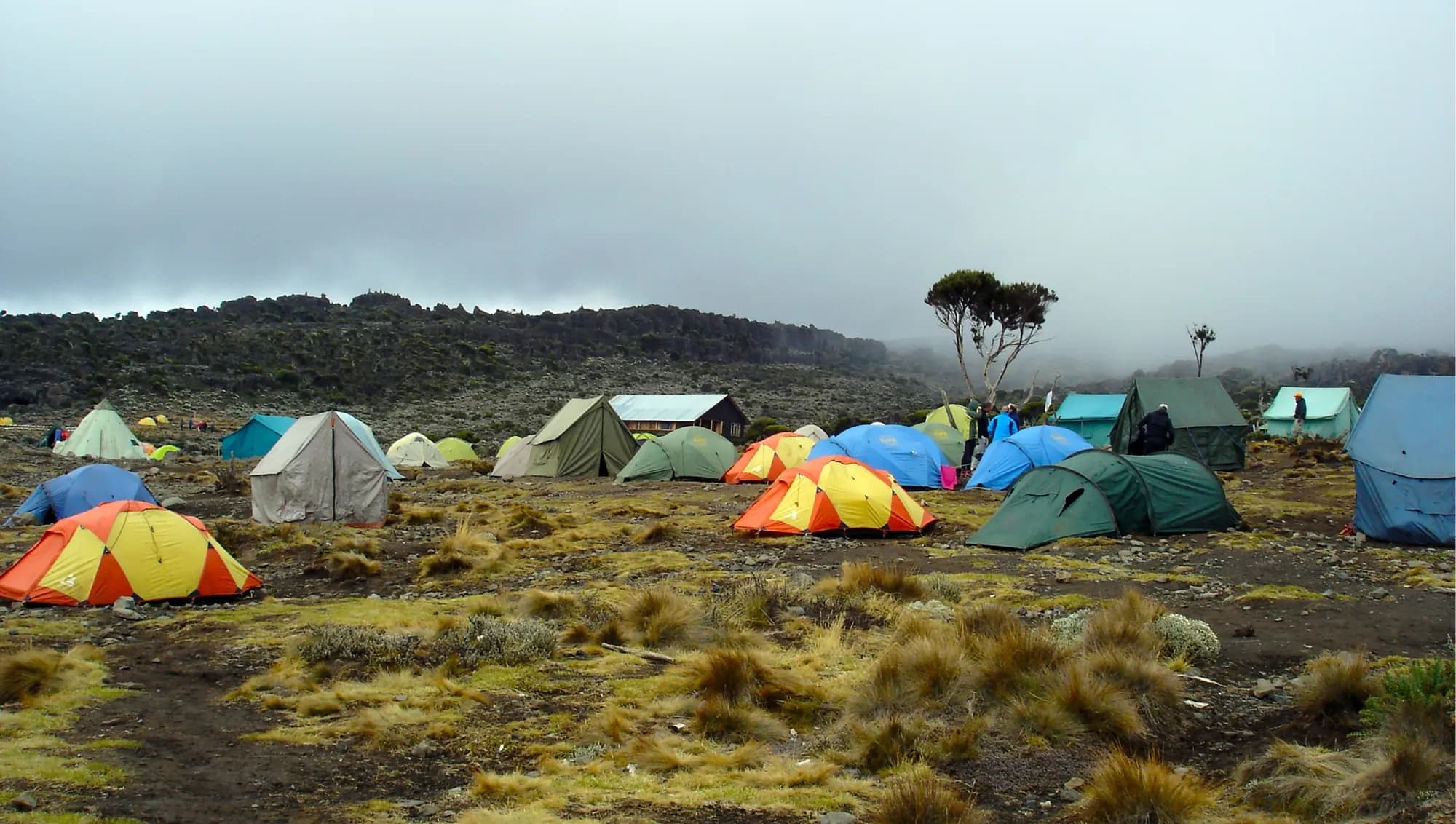
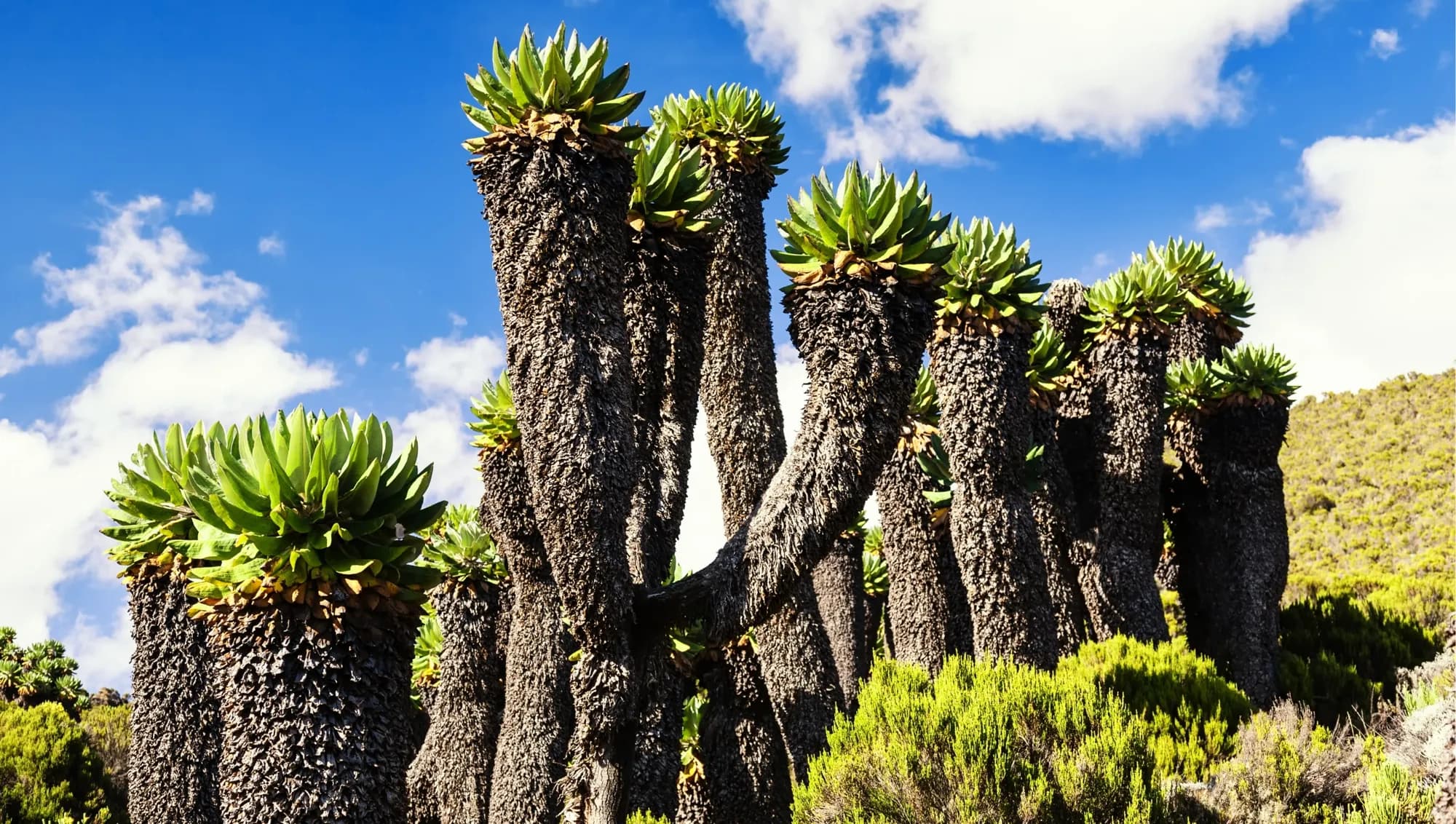
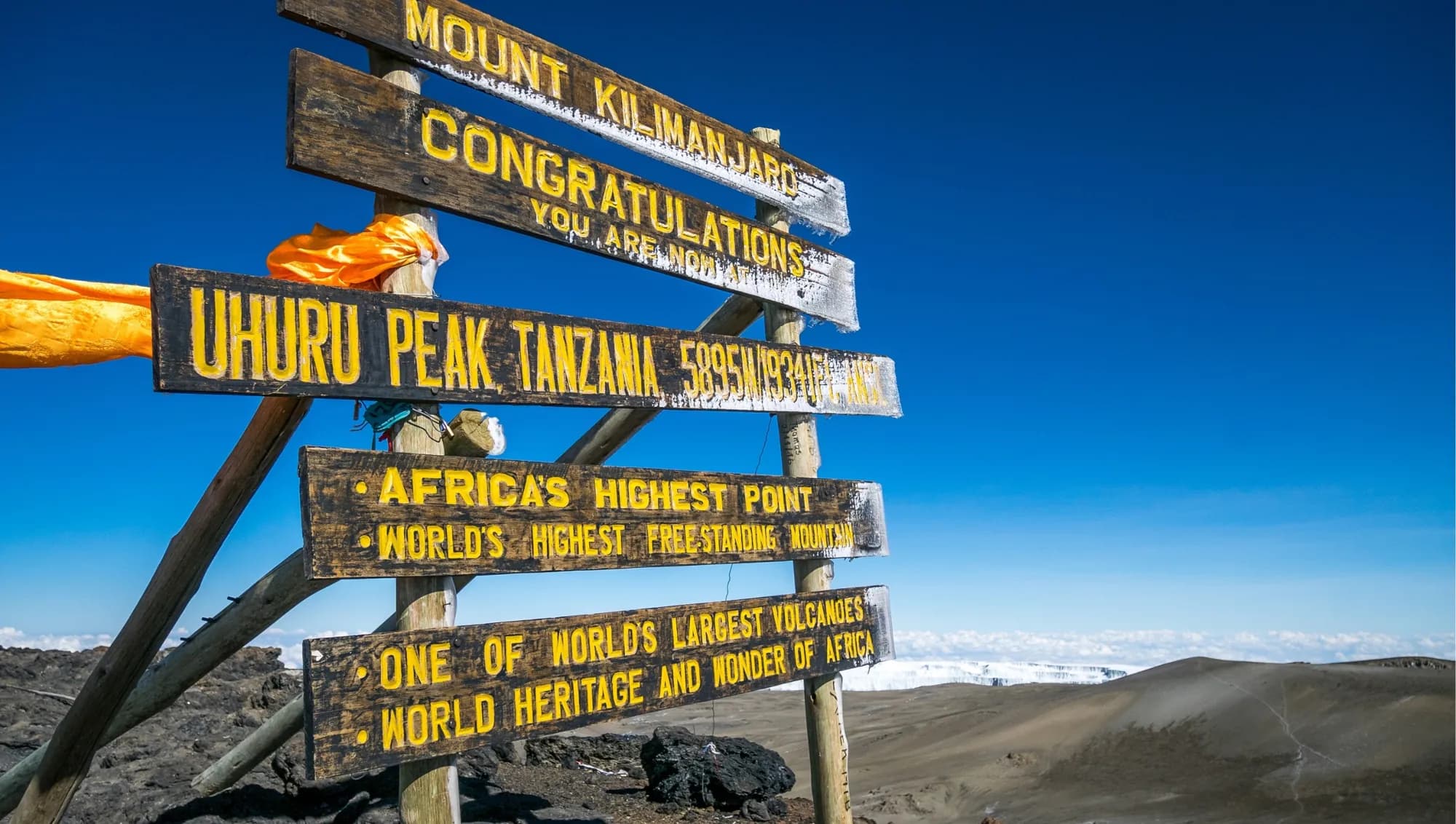
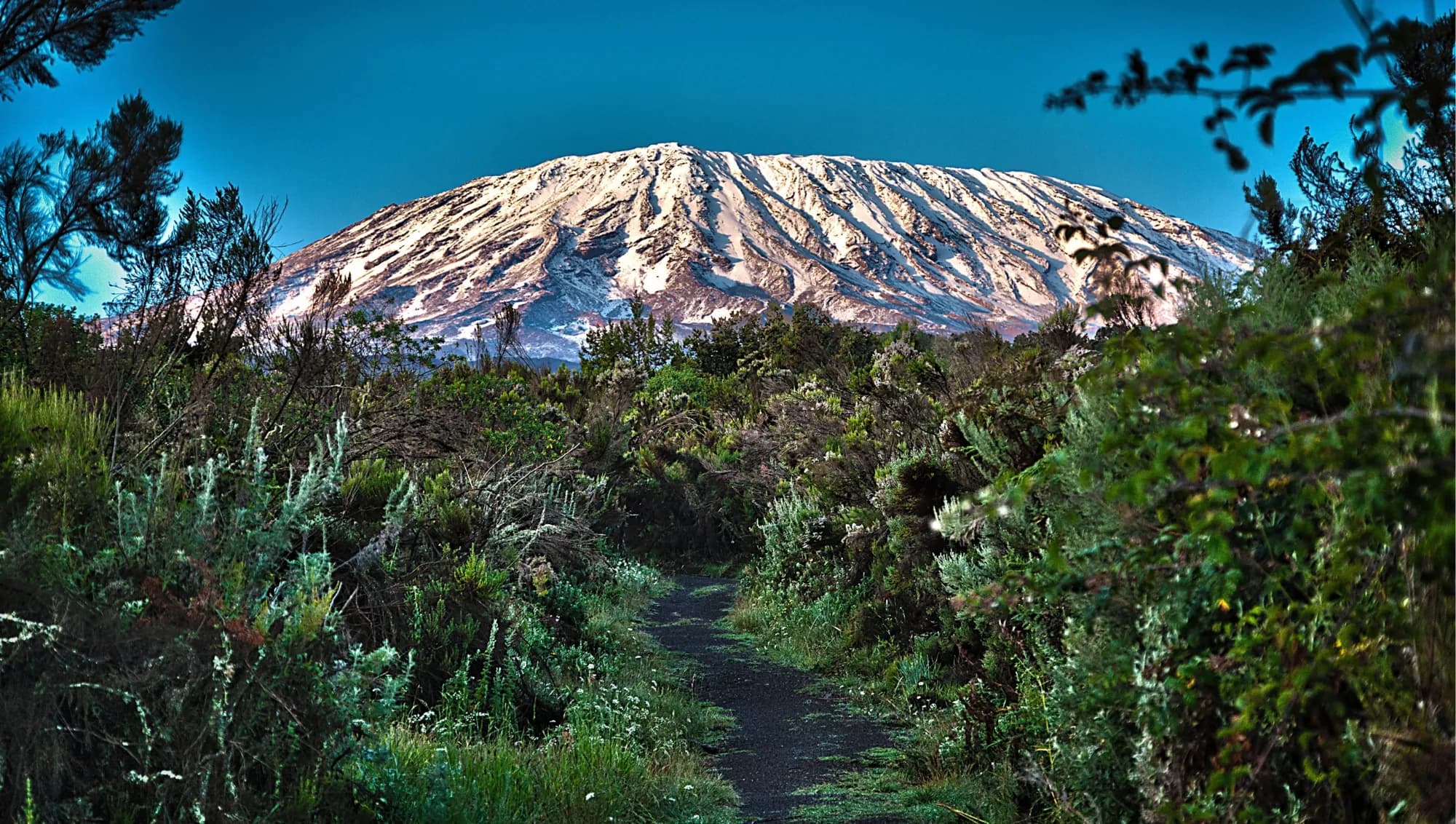
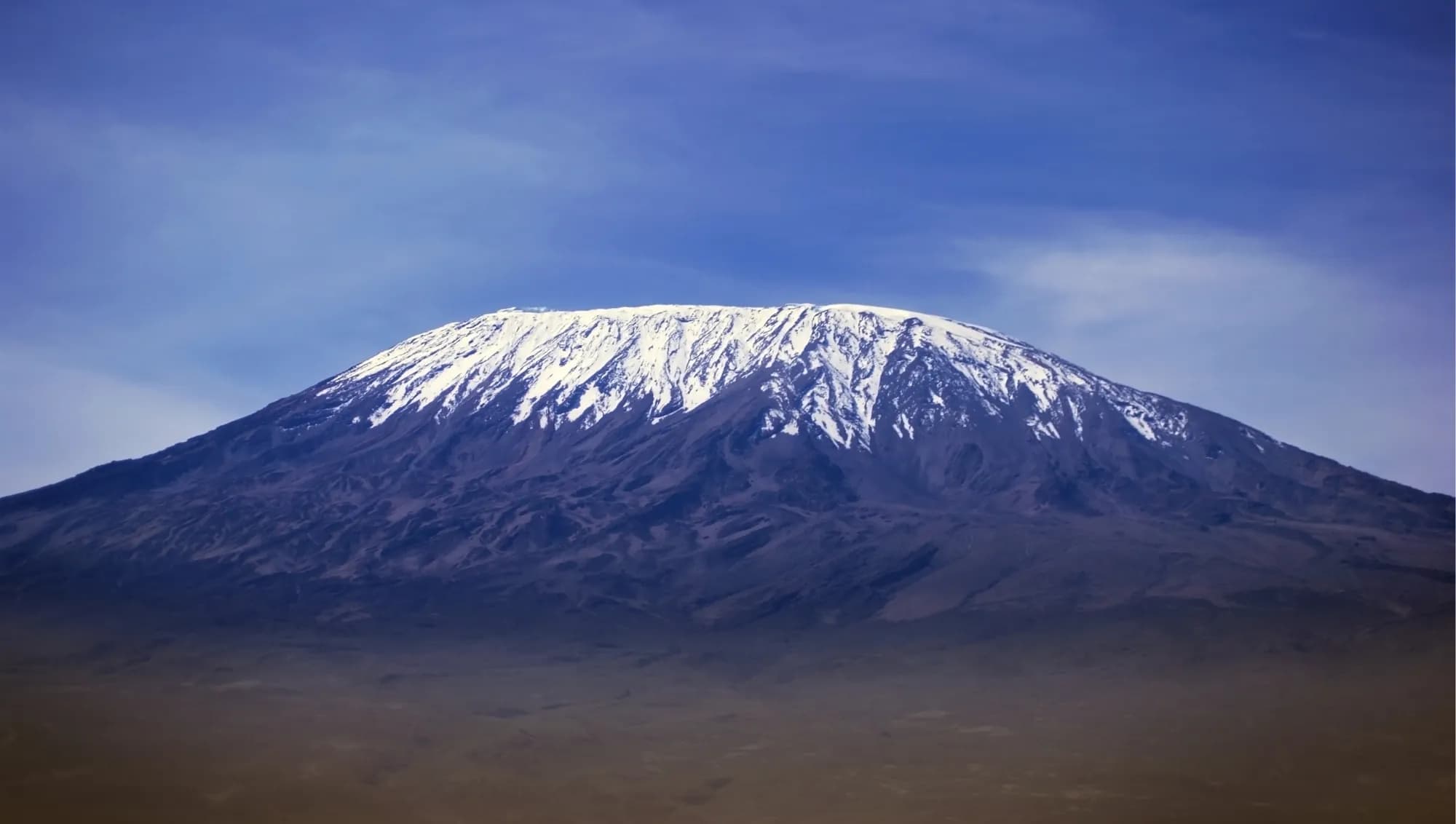
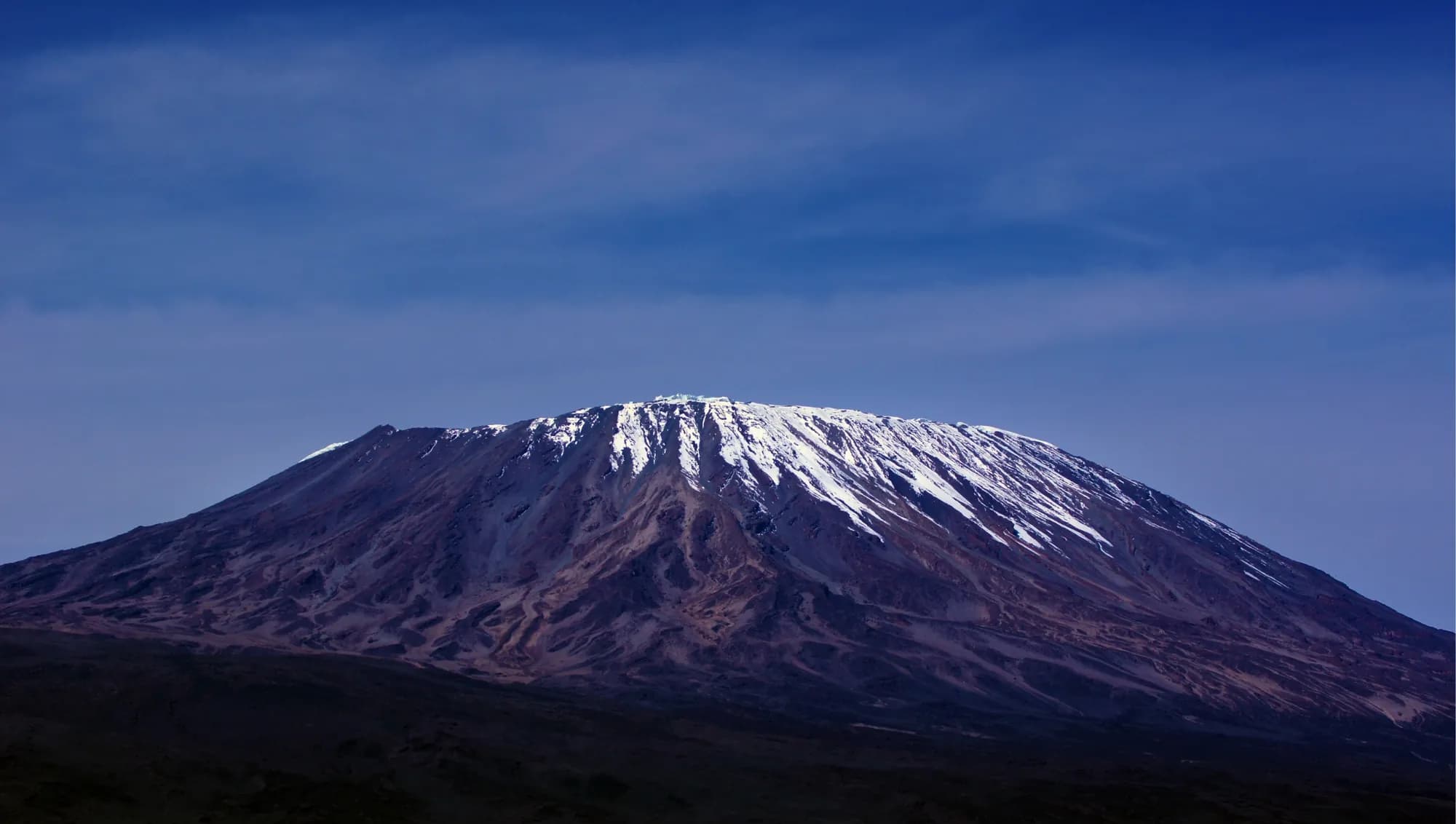
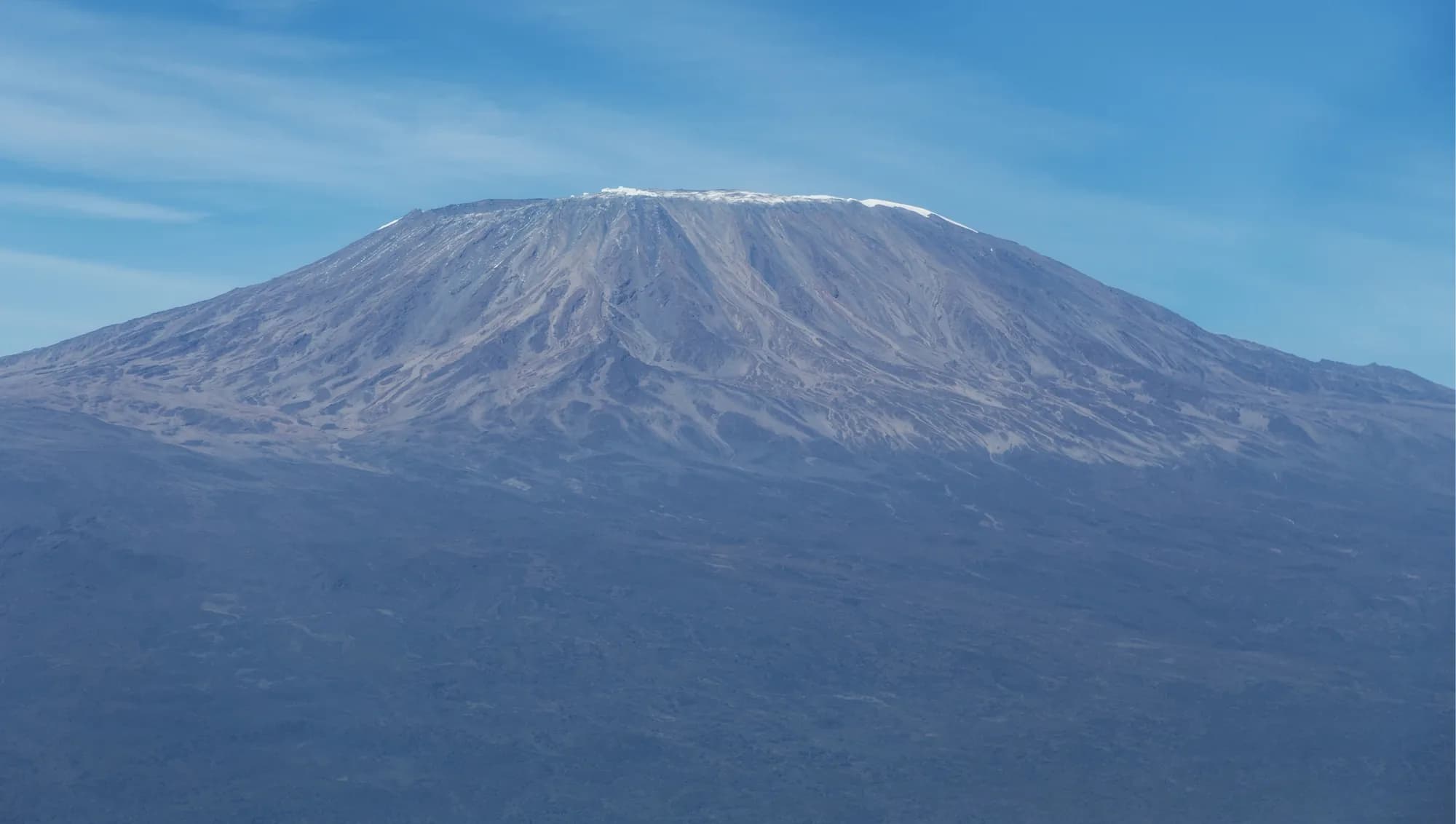
The Machame route is a seven-day Kilimanjaro climb that approaches from the south, through Machame village and the rainforest, and reaches Uhuru Peak, 5,895m (19,341 ft), via Stella Point on the sixth night. It is the most-trekked camping route on the mountain, often called the "Whiskey route" in contrast to the hut-based Marangu "Coca-Cola route". It passes through every one of Kilimanjaro's climate zones: rainforest, heather and moorland, alpine desert and the arctic summit.
The trek covers about 62km (39 miles). The scenery is excellent, the trail is well maintained, and the gate is only about an hour's drive from Moshi, which keeps the cost down. Taken over seven days, it includes the Lava Tower acclimatisation day and a near-rest day at Karanga, and its summit-success rate is 85%. We don't sell the six-day version, where the rate falls to around 50%.
Who the Machame route suits, and who it doesn't
Machame is a strong choice if:
- Budget matters. It is the lowest-priced route we run with a seven-day acclimatisation profile.
- You want variety. Every one of Kilimanjaro's climate zones in six walking days, plus the Barranco Wall.
- You are fit and can handle a steep first two days. The forest and moorland sections climb more directly than on Lemosho.
- You like company on the trail. Machame is sociable, and the camps are busy.
Look elsewhere if:
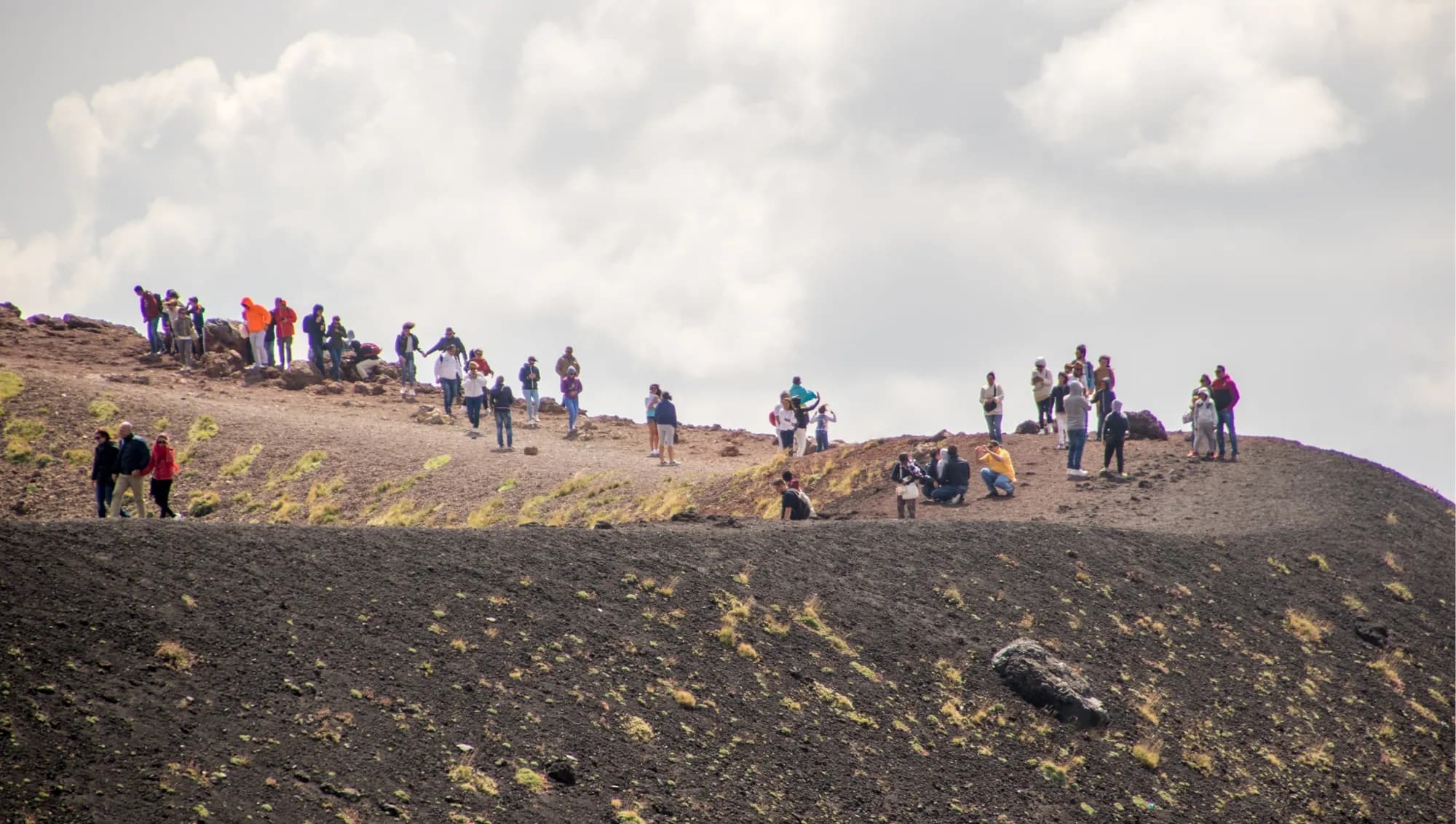
- You want solitude. In January, February and July to September, the Machame Gate is one of the busiest starts on the mountain. The Lemosho route joins the same trail at Shira 2 but gives you two quiet days first.
- You want the highest margin. The Northern Circuit adds two days and is the best option for climbers who have struggled with altitude before.
- You are climbing in the rainy months. The southern forest is at its muddiest in April, May and November; the Rongai route is drier.
Machame vs Lemosho
From Shira 2 onwards the two routes are identical: the Lava Tower day, Barranco, the Barranco Wall, Karanga, Barafu, the summit via Stella Point, and the Mweka descent. On paper, the seven-day sleeping profiles are very close.
The differences are in the first two days. Machame starts lower, at about 1,800m (5,906 ft), and gains over 1,000m on day one through the forest, then climbs steeply to Shira 2 on day two. Lemosho starts on the western side, three hours' drive away, and crosses the open Shira Plateau, with far fewer people around. Lemosho costs more because of the longer transfer and the extra logistics. It also carries a higher summit-success rate (90% against Machame's 85%).
If budget decides, Machame is the honest answer. If quiet trails and the best odds decide, choose Lemosho. Our Machame vs Lemosho guide compares them in detail.
The acclimatisation profile
The Wilderness Medical Society's guidelines advise that above 3,000m (9,800 ft) you should raise your sleeping altitude by no more than about 500m a day where possible, with extra time built in every few days (Luks et al., 2024 update). The seven-day Machame can't meet that strictly, but it manages the big jumps sensibly:
- Night 1, Machame Camp, 2,835m (9,301 ft): still below the altitude where most people feel much.
- Night 2, Shira 2, 3,810m (12,500 ft): the largest jump in sleeping altitude, about 975m.
- Night 3, Barranco, 3,950m (12,959 ft): after lunch at the Lava Tower, 4,630m (15,190 ft). This climb-high, sleep-low day is the most valuable on the route.
- Night 4, Karanga, 3,995m (13,107 ft): almost the same altitude as Barranco, a recovery night that the six-day version skips.
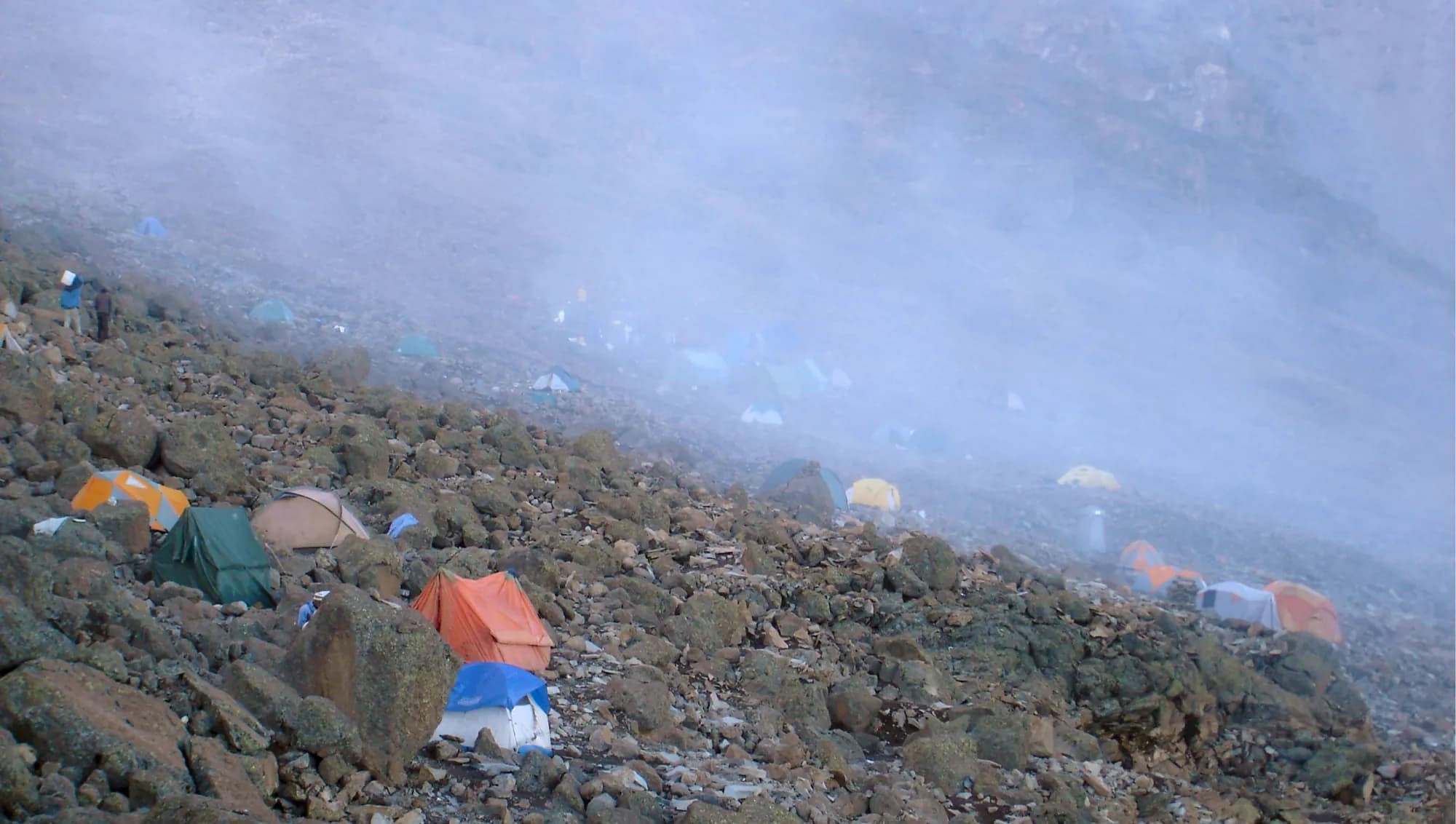
- Night 5, Barafu, 4,673m (15,331 ft): high camp before summit night.
- Summit, 5,895m (19,341 ft), then night 6 at Mweka Camp, 3,100m (10,171 ft).
How much does that extra day matter? A small study of trekkers on the six-day Machame found acute mountain sickness (AMS) in 86% of participants on summit day (Meyer, High Altitude Medicine & Biology, 2012). Some AMS on summit night is close to universal on short itineraries; the Karanga night gives you a better chance of arriving at Barafu rested and able to manage it.
The Barranco Wall
Day four begins with the Barranco Wall, a scramble of roughly 250m (820 ft) up a cliff face on a well-trodden path. No ropes are needed. You will use your hands for balance in a few places, and there is one famous narrow step known as the "kissing rock", where you hug the rock face to get past. It looks alarming from camp and is fine in practice for almost everyone.
If you have a serious fear of exposure, tell us when you book. We position a guide directly ahead of you and one behind for the section. The scramble takes one to two hours, partly because of queues in peak season, and the view from the top back over the Barranco Valley is one of the best on the climb.
Summit night on Machame
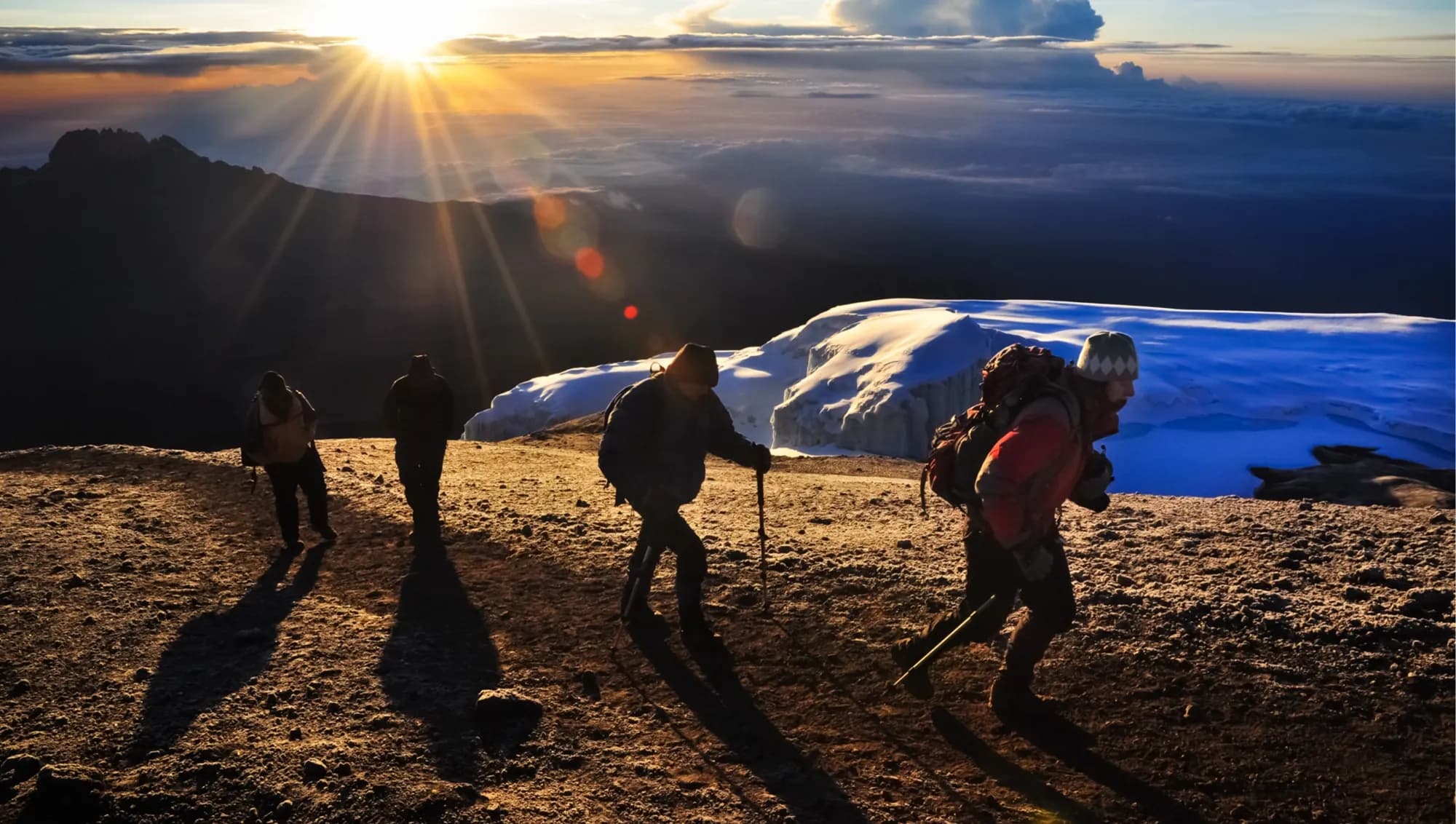
Your guide wakes you at Barafu at about 11 p.m. You leave around midnight and climb by headlamp up switchbacks of scree and frozen gravel. Reaching Stella Point on the crater rim, 5,756m (18,885 ft), takes five to seven hours and gains about 1,080m (3,550 ft). From Stella, Uhuru Peak is a further 45 to 60 minutes along the rim.
Expect −10°C to −20°C (14°F to −4°F) before wind chill. You will move slowly, stopping every few steps to breathe; that is normal at this altitude. After the summit you descend to Barafu, rest and eat, then continue down to Mweka Camp. Summit day is 10 to 14 hours of walking in all, and most people sleep better that night than at any point on the climb. The summit-night section of our planning guide walks through it hour by hour.
Best months to climb Machame
- January to early March: dry, clear and cold at the summit, with fewer people than the summer peak.
- June to October: the most stable weather. Machame is at its busiest in August and September, so book early.
- April, May and November: the rainy seasons. The southern forest turns to mud and the views close in. We'll suggest Rongai for those months unless your dates are fixed.
For more detail, see best time to climb Kilimanjaro.
How to prepare for the Machame route
Machame's first two days are its steepest outside summit night: over 1,000m (3,300 ft) of climbing through the forest on day one, then a short, rocky ascent to Shira 2. Train on hills or stairs with a daypack of 6–8kg (13–18 lb), and build up to back-to-back hikes of five to six hours. Practise long descents too, because summit day ends with about 2,800m (9,200 ft) of downhill. Our training guide sets out a 12-week plan.
What's included
Your price covers park, camping and rescue fees and VAT; a KPAP-compliant guide team and porters at fair rates; all mountain meals and drinking water; mess, sleeping tents and mats; twice-daily pulse-oximeter checks; a pre-trek briefing; and transfers from Moshi to Machame Gate and back from Mweka Gate. The full list sits in the inclusions section below.
You bring your own sleeping bag (or rent one), trekking gear and crew tips. See our Kilimanjaro gear list and tipping guide.
How we keep you safe
Altitude sickness is common on every Kilimanjaro route. Mild AMS (headache, nausea, poor sleep) is expected and manageable. The serious forms, high-altitude cerebral edema (HACE) and pulmonary edema (HAPE), are rare but dangerous, and the treatment is descent.
On the Machame route:
- Guide team: a lead guide with assistant guides, so one guide can turn back with a climber while the group continues.
- Pulse-oximeter checks twice a day: blood-oxygen saturation and pulse every morning and evening, plus a symptom check.
- Firm turnaround rules: worsening headache despite painkillers, confusion, loss of balance or breathlessness at rest means descent.
- Evacuation: the park rescue fee is included. Your travel insurance must cover trekking to 6,000m (19,700 ft) and helicopter evacuation.
Ask your doctor about acetazolamide (Diamox) before you travel. Our altitude sickness overview explains the symptoms to watch for.
Porter welfare
Every Machame climb depends on porters who carry the tents, food, fuel and your duffel up the same steep forest trail you walk. The Kilimanjaro Porters Assistance Project (KPAP) sets the standard for fair treatment: loads of no more than 20kg (44 lb) excluding the porter's own kit, three meals a day, proper sleeping gear and shelter, and wages paid promptly after the climb (KPAP guidelines).
We follow those standards and pay fair wages. Whoever you book with, ask whether they are a KPAP partner. Our sustainability page explains how we work with our crews.
- Southern approach through rainforest, heather and moorland
- Includes the Lava Tower (4,630m) climb-high, sleep-low day
- Shares the Barranco Wall and summit route with Lemosho
- 85% success rate when taken over seven days (six-day version: ~50%)