What the Rongai route is
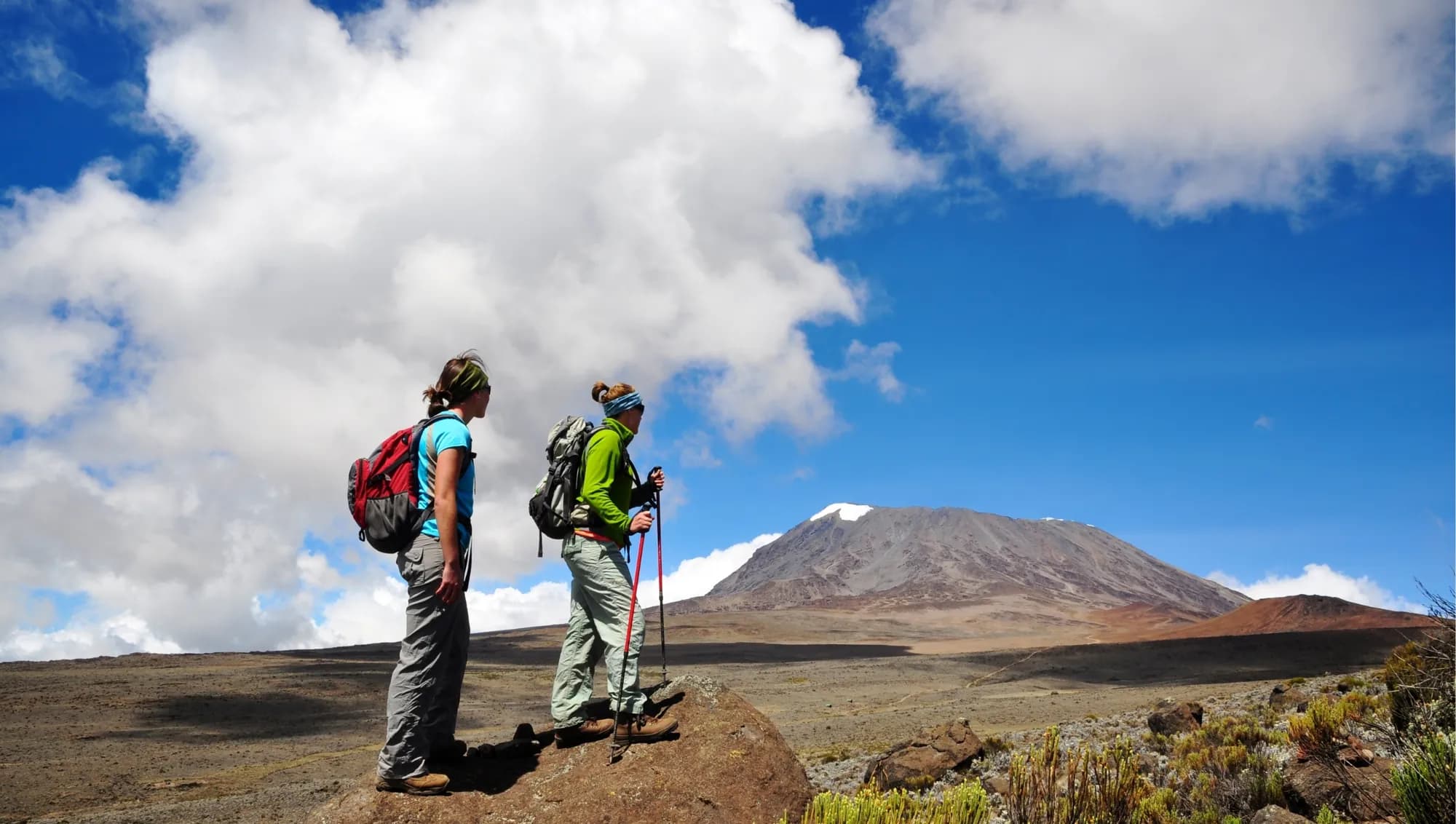
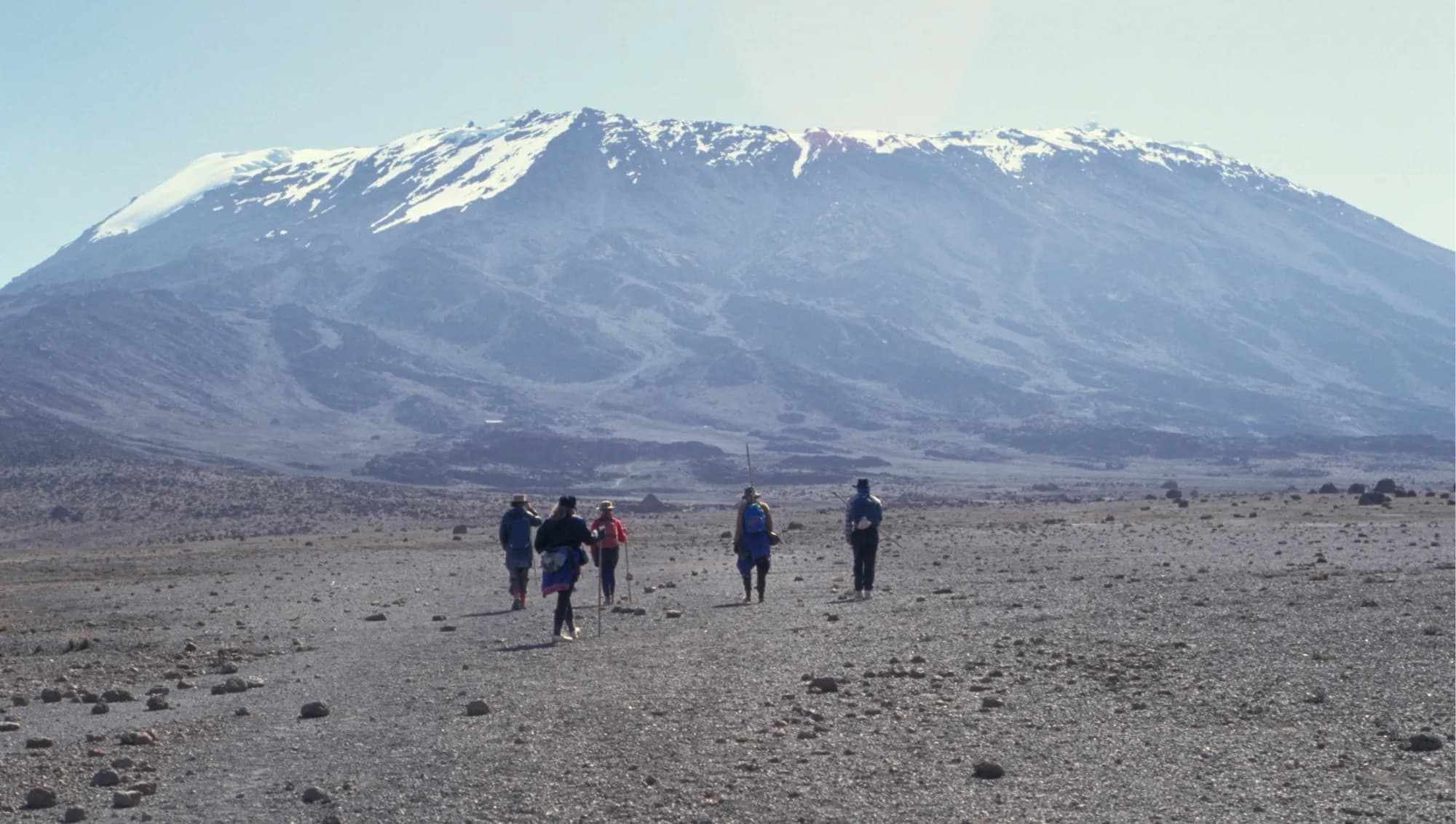
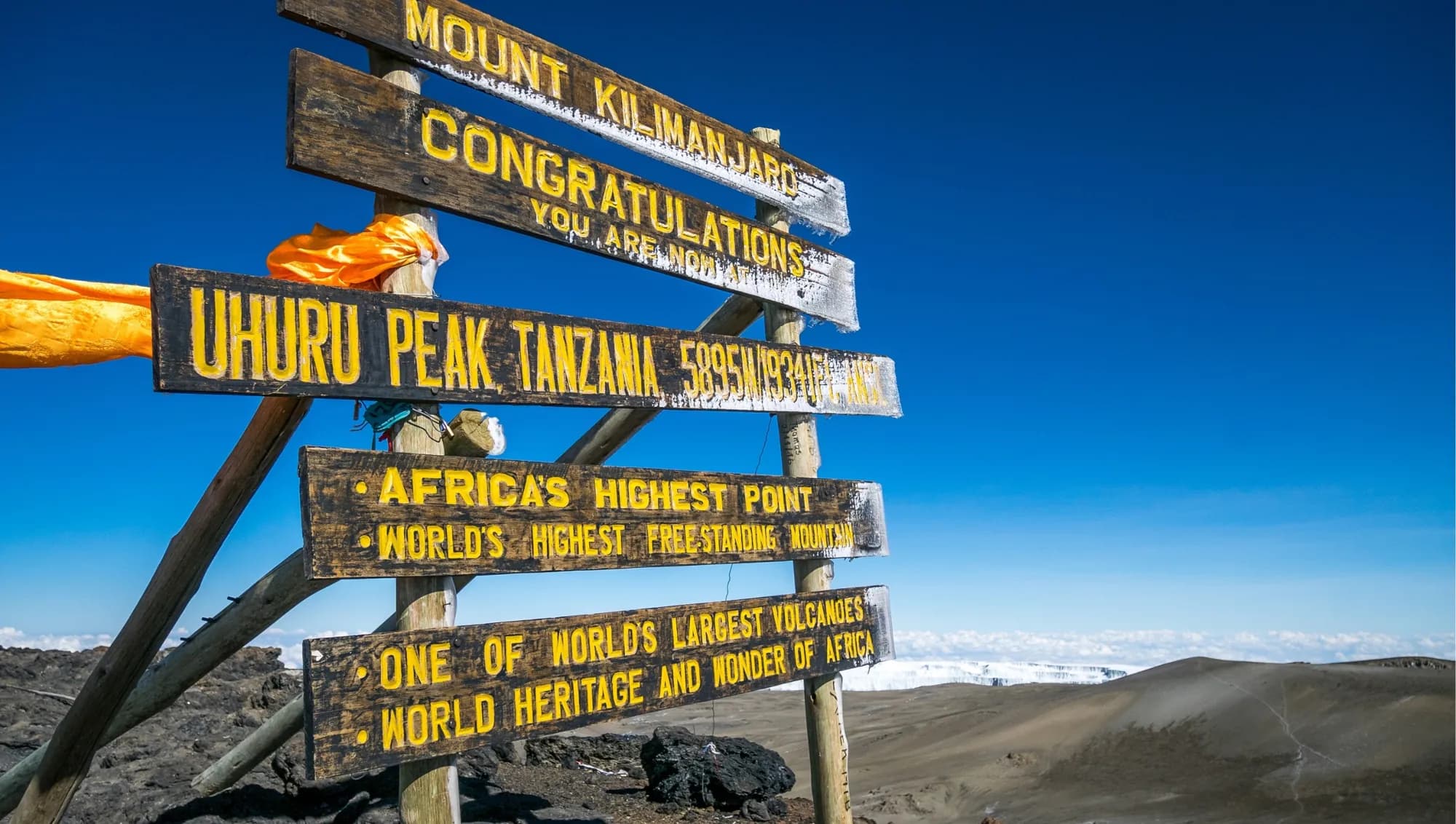
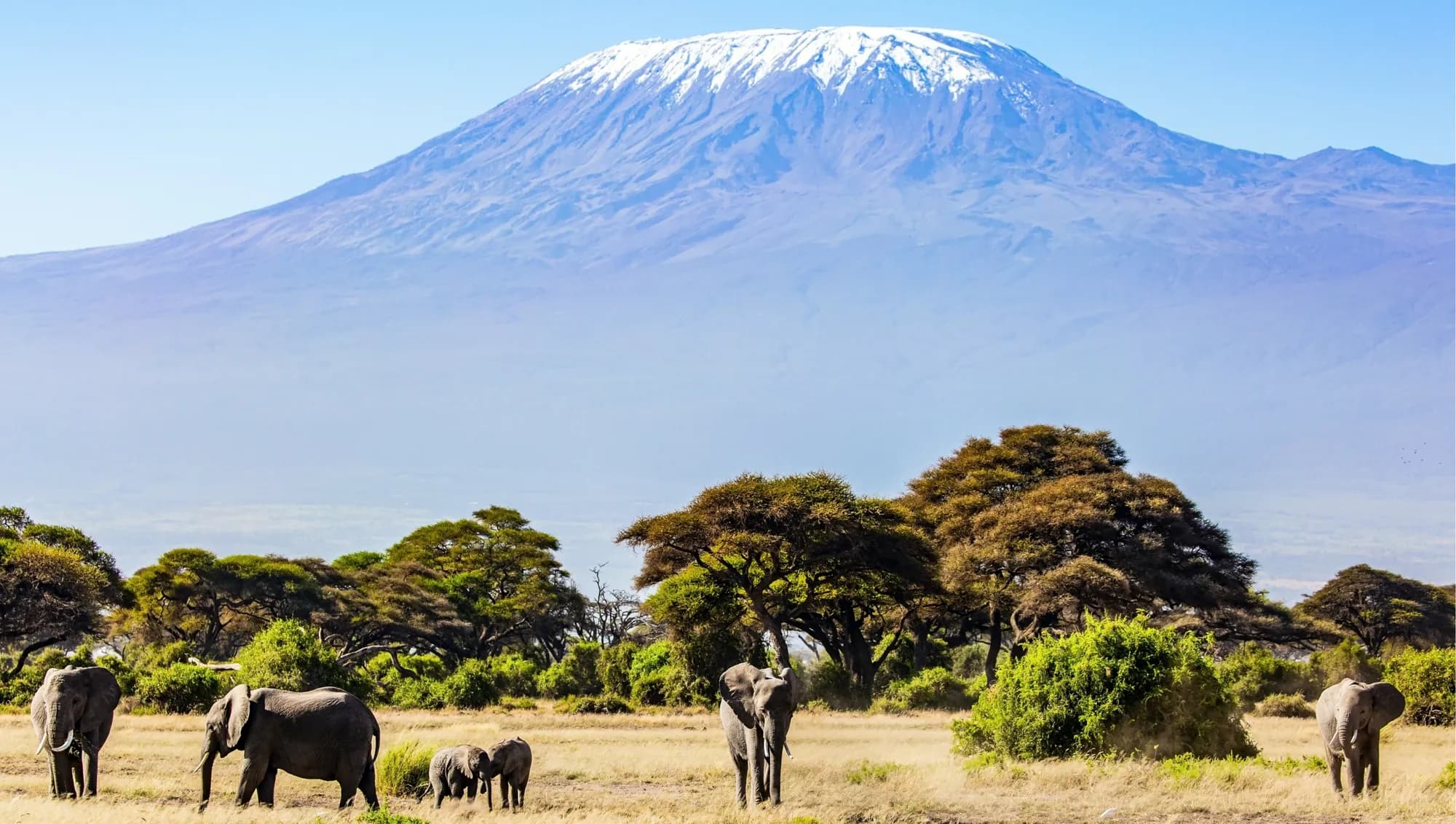
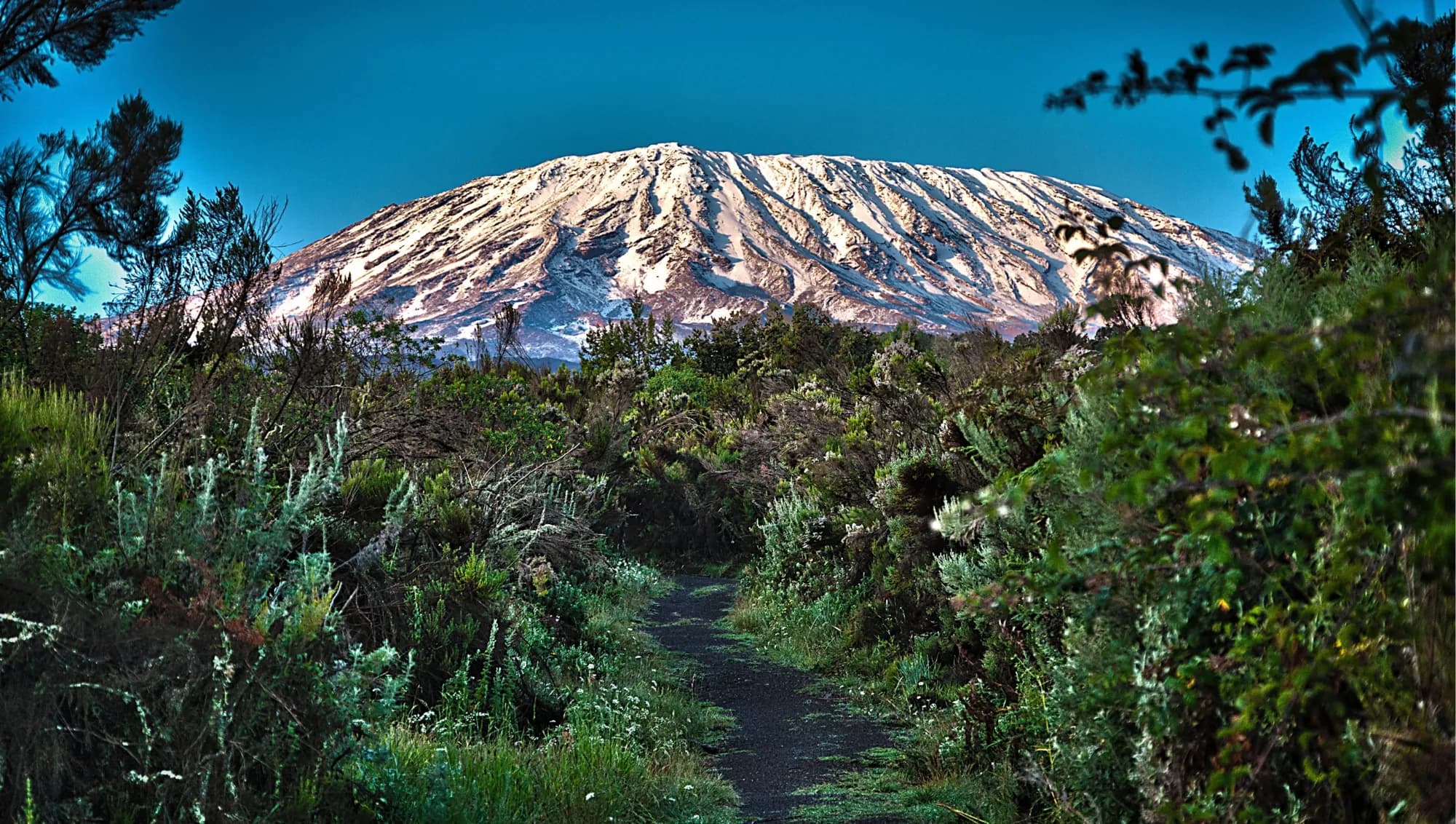
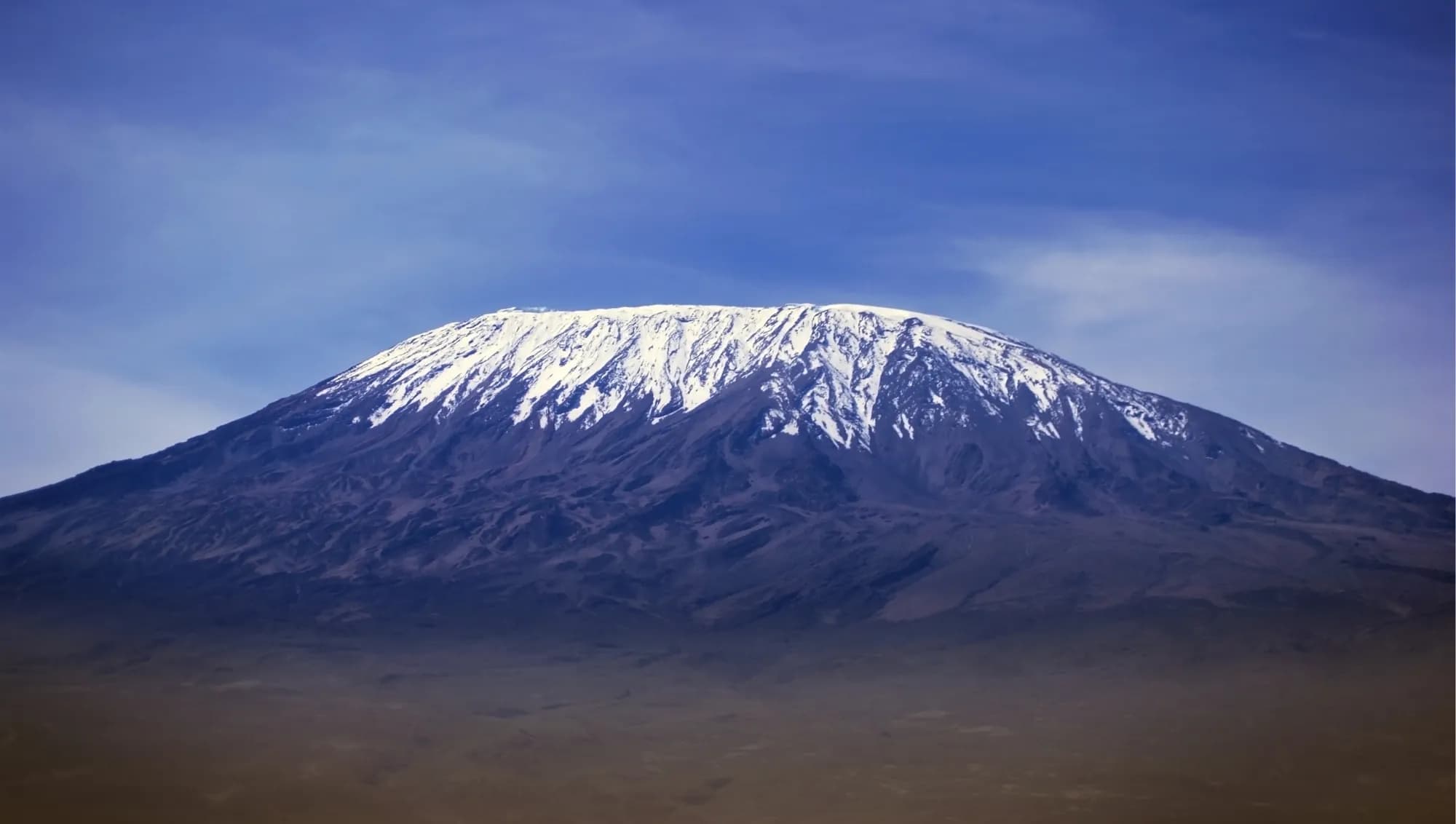
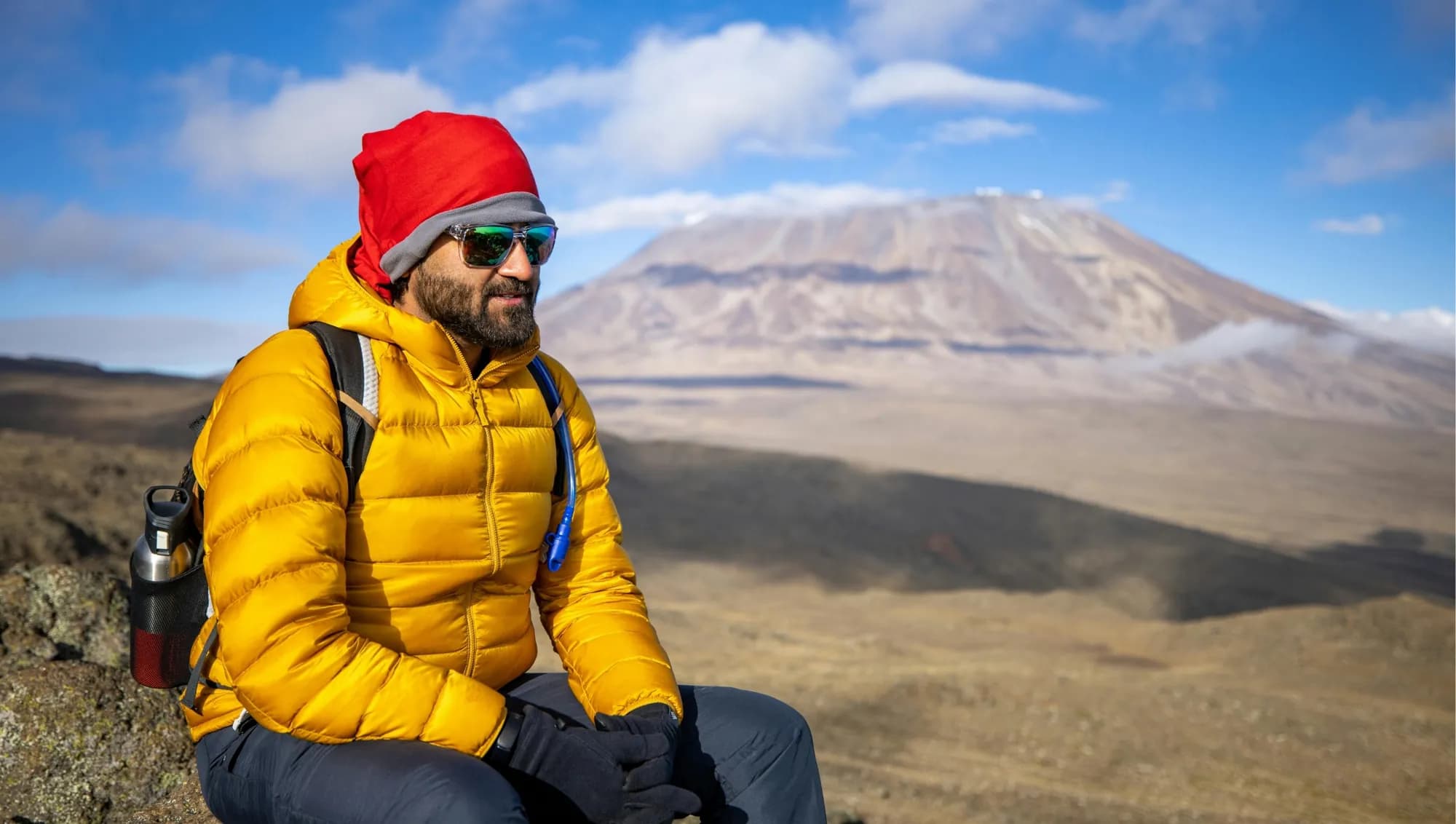
The Rongai route is the only Kilimanjaro route that climbs from the north. It starts at Nale Moru near the Kenyan border, climbs through open moorland to a camp beneath Mawenzi, crosses the Saddle to Kibo Hut, and reaches Uhuru Peak, 5,895m (19,341 ft), via Gilman's Point on the fifth night. You then descend the opposite side of the mountain on the Marangu trail, so you see two very different faces of Kilimanjaro.
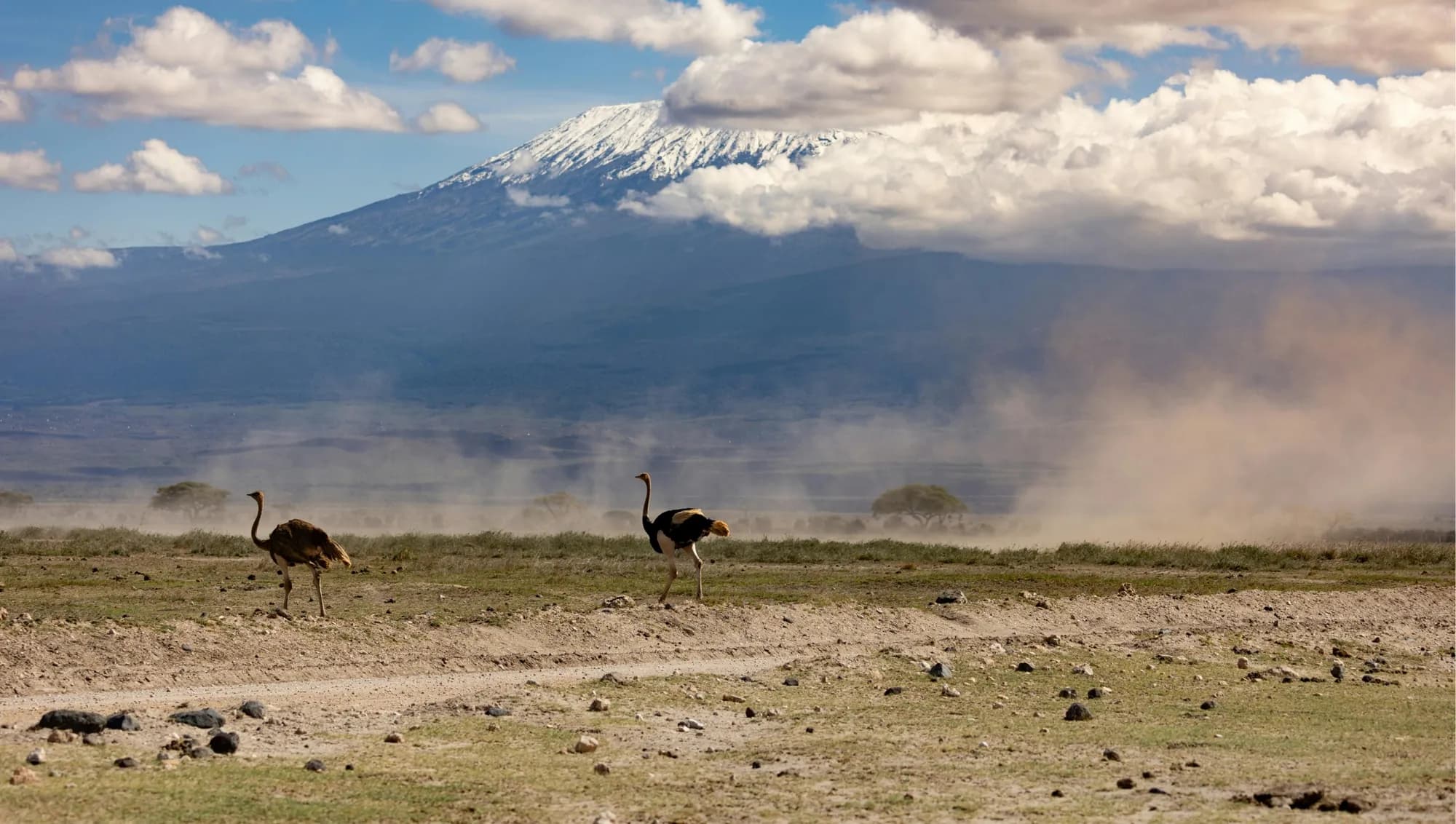
Two things set Rongai apart. The northern slopes lie in the rain shadow of the mountain and get noticeably less rain than the south and west. And far fewer people climb from this side, so it is the quietest of the standard routes. Those two facts make it our first choice for climbs in the rainy months and a strong option any time for climbers who want calm trails. Its summit-success rate is around 70%.
The six-day itinerary covers about 72km (45 miles). The path is gentle underfoot, with no scrambling.
Who the Rongai route suits, and who it doesn't
Rongai is a good fit if:
- You are climbing in April, May or November. The drier north is the most reliable side of the mountain in the rainy seasons.
- You want quiet. You will see few other groups until you reach Kibo Hut.
- You prefer steady gradients. There is no Barranco Wall and no steep forest section.
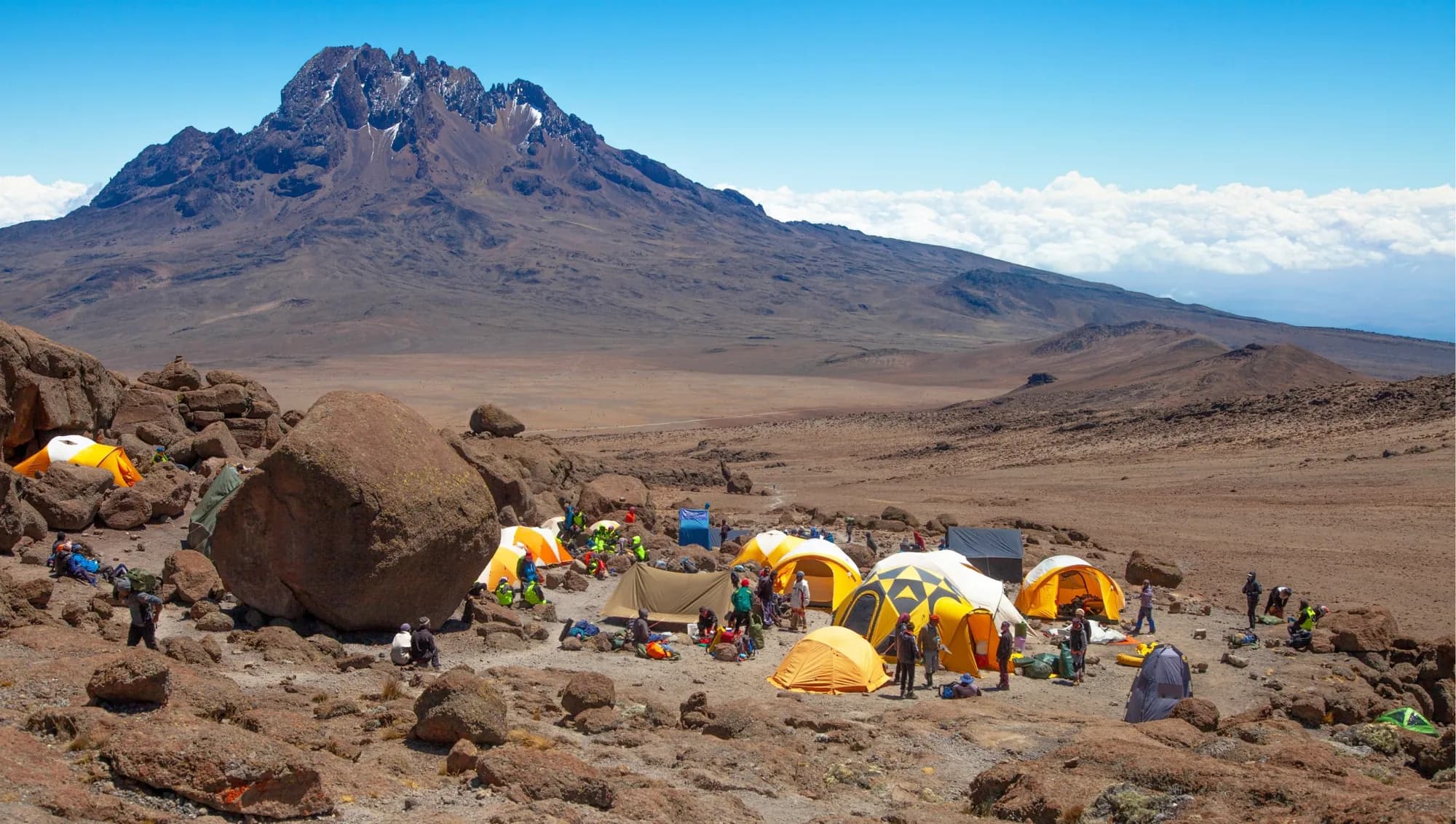
- You want to see Mawenzi up close. Rongai is the only standard route that camps right beneath it.
Think twice if:
- You want the strongest acclimatisation. The Lemosho route includes the Lava Tower climb-high, sleep-low day and carries a 90% success rate.
- You want the most dramatic scenery. The north is wilder but less varied than the western and southern routes; there is no rainforest walk on the way up.
- You want the full circuit of the mountain. The Northern Circuit traverses the northern slopes too, over nine days.
Rongai vs Marangu
Rongai and Marangu share the summit route from Kibo Hut via Gilman's Point and the descent to Marangu Gate. The difference is how you get to Kibo Hut.
Marangu climbs from the south-east with huts all the way and sleeps at Horombo before a long Saddle crossing. Rongai camps on the quiet north side and spends its last night before Kibo at Mawenzi Tarn, 4,330m (14,206 ft), which leaves a shorter final approach of about 370m. Rongai's trails are quieter and drier, you camp rather than sleep in huts on the way up, and the summit-success rate is a little higher (70% against 65%).
The acclimatisation profile
The Wilderness Medical Society recommends raising your sleeping altitude by no more than about 500m a day above 3,000m (9,800 ft), with extra time every three to four days (Luks et al., 2024 update). Here is the Rongai profile:
- Night 1, Simba Camp, 2,625m (8,612 ft).
- Night 2, Kikelewa Camp, 3,600m (11,811 ft): the biggest jump, about 975m.
- Night 3, Mawenzi Tarn, 4,330m (14,206 ft): another 730m, with an optional afternoon walk higher.
- Night 4, Kibo Hut, 4,703m (15,430 ft): a smaller step of about 370m to summit base.
- Summit, 5,895m (19,341 ft), then night 5 at Horombo Hut, 3,720m (12,205 ft).
The gains get smaller as you climb, which is the right way round. What Rongai lacks is a full climb-high, sleep-low day of the kind the western routes get at the Lava Tower. Take the afternoon walk at Mawenzi Tarn seriously; it is your best chance to bank some extra acclimatisation.
The drive to the start
Nale Moru is on the far side of the mountain from Moshi, so day one begins with a drive of about three to four hours around the eastern slopes. Because of that, the first day's walk is short. At the end, the descent comes down the southern side to Marangu Gate, under an hour from Moshi, so you are back at your hotel by mid-afternoon on day six.
Summit night via Gilman's Point
Your guide wakes you at Kibo Hut around 11 p.m. You leave at about midnight and climb by headlamp up steep scree switchbacks, past Hans Meyer Cave, to Gilman's Point on the crater rim, 5,685m (18,652 ft). That section gains almost 1,000m (3,200 ft) and takes five to seven hours. Most climbers reach Gilman's around sunrise, with Mawenzi silhouetted against the dawn, one of the best summit-morning views on the mountain.
From Gilman's it is another 1.5 to 2 hours around the rim, past Stella Point, to Uhuru Peak. Expect temperatures of −10°C to −20°C (14°F to −4°F) before wind chill. After the summit you return to Kibo Hut for a rest and food, then walk down to Horombo for the night. Our planning guide's summit-night section covers what to expect hour by hour.
Best months to climb Rongai
- April, May and November: the months when Rongai matters most. The north still gets rain, but less of it, and the trails stay walkable.
- January to early March and June to October: excellent conditions, and Rongai stays quiet even in peak season.
In the main dry seasons we recommend Lemosho first, Machame second and Rongai third for most climbers. In the wet months Rongai moves to the top of the list. See best time to climb Kilimanjaro.
How to prepare for the Rongai route
Rongai's gradients are steady, but the days are long: about 10km to Kikelewa on day two, 22km on summit day and 20km on the final descent. Train with weekend hikes of five to six hours, carrying a daypack of around 6–8kg (13–18 lb), and include long descents to prepare your knees for the walk down to Marangu Gate.
The northern slopes are dry and dusty, so pack a buff or light face covering and lip balm with sunscreen. Nights at Mawenzi Tarn and Kibo Hut are bitterly cold, so bring a sleeping bag rated to at least −15°C (5°F). Our training guide sets out a 12-week plan.
What's included
Your price covers park, camping, hut and rescue fees and VAT; a KPAP-compliant guide team and porters; all meals and drinking water on the mountain; tents on the Rongai side and a hut night at Horombo on the way down; pulse-oximeter monitoring; and transfers from Moshi to the Rongai trailhead and back from Marangu Gate. See the full inclusions below.
You bring your own sleeping bag (or rent one), trekking gear and crew tips. Our Kilimanjaro gear list and tipping guide cover both.
How we keep you safe
Altitude sickness is the main risk on every route. Mild acute mountain sickness (headache, nausea, poor sleep) is common and manageable. Its serious forms, cerebral edema (HACE) and pulmonary edema (HAPE), are rare but require immediate descent.
- Guide team: a lead guide with assistant guides, so one can turn back with a climber while the group continues.
- Daily pulse-oximeter checks: blood-oxygen saturation, pulse and symptoms, recorded every day.
- Firm turnaround rules: worsening headache despite painkillers, confusion, loss of balance or breathlessness at rest means descent.
- Evacuation: the park rescue fee is included. Make sure your travel insurance covers trekking to 6,000m (19,700 ft) and helicopter evacuation.
Ask your doctor about acetazolamide (Diamox) before you travel. Our altitude sickness overview explains the warning signs.
Porter welfare
Rongai's remote start means a longer logistics chain, and the porters carry everything from the northern trailhead to Kibo Hut. The Kilimanjaro Porters Assistance Project (KPAP) standard is a maximum load of 20kg (44 lb) excluding the porter's own kit, three meals a day, proper sleeping gear and shelter, and wages paid promptly after the climb (KPAP guidelines). We follow it on every climb. Ask any operator whether it is a KPAP partner before you book, and see our sustainability page for how we work with our crews.
- Northern approach on the drier side of the mountain
- The quietest of the standard routes
- Best route in April, May and November
- A night at Mawenzi Tarn beneath Kilimanjaro's second peak